
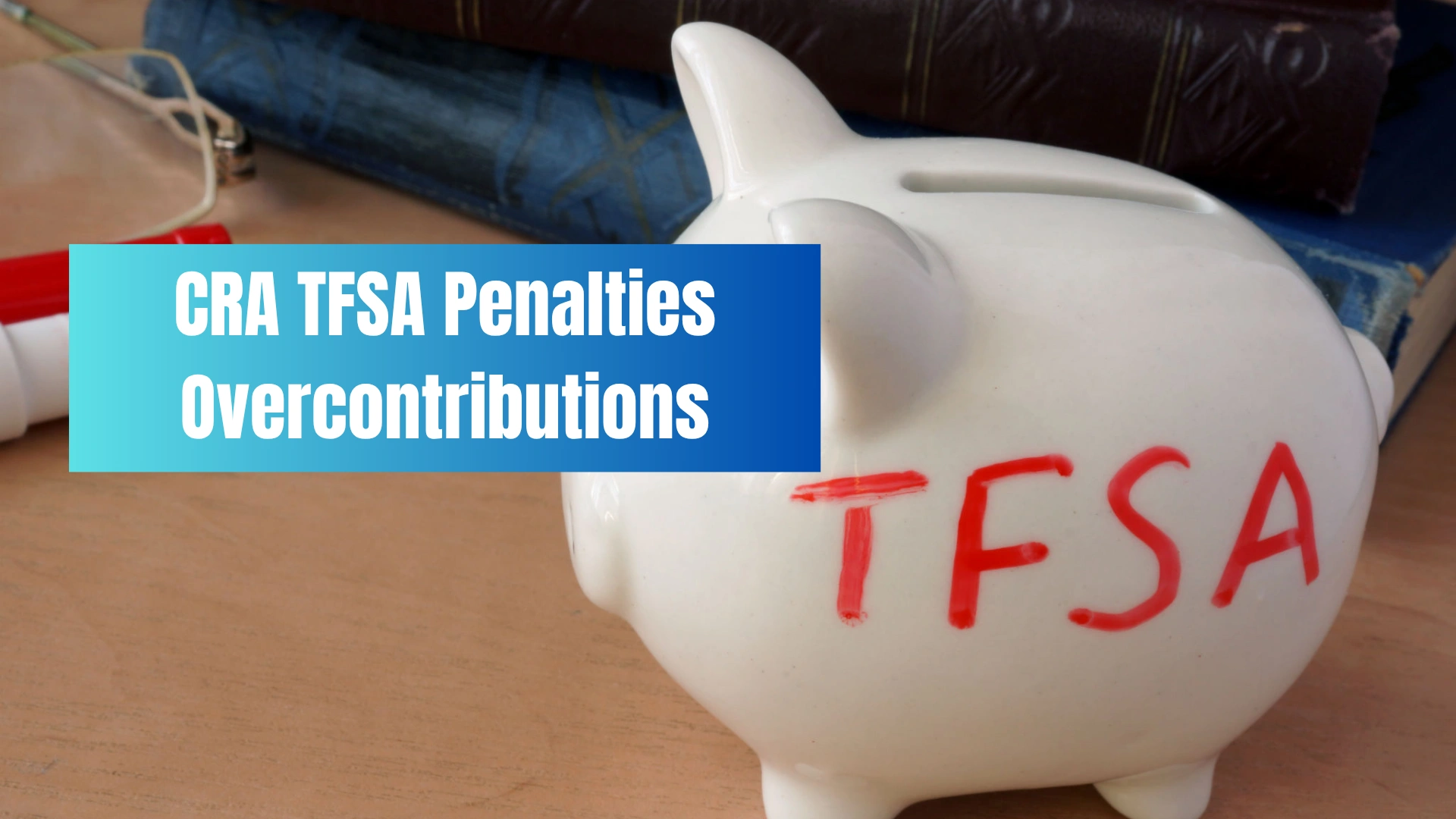
The Canada Revenue Agency (CRA) is stepping up enforcement on Tax-Free Savings Account (TFSA) overcontributions as the number of Canadians exceeding their limits continues to climb. Over the past decade, TFSA participation has surged, but so have penalties for those who contribute beyond their allowable limit. Financial experts are warning that Canadians need to monitor their accounts closely to avoid costly 1% per month penalties. This article examines the recent enforcement trends, the reasons behind rising overcontributions, and steps taxpayers can take to stay compliant.
Rising TFSA Overcontributions
Since its introduction in 2009, the TFSA has become a popular savings vehicle for Canadians, offering tax-free growth on investments and withdrawals. Between 2015 and 2024, the number of TFSA holders grew from 12.7 million to 19.3 million, a 52% increase.
However, the number of account holders who overcontributed quadrupled during the same period, rising from 33,000 to 133,000. In 2024 alone, the CRA assessed $166.2 million in excess TFSA taxes, up from $130.8 million in 2023. Analysts attribute part of this surge to increased participation, but also to reporting delays and errors in the CRA’s My Account platform.
Understanding TFSA Overcontribution Penalties
The CRA imposes a 1% per month tax on any excess contributions to TFSAs. These penalties can accumulate quickly, especially if the overcontribution is not corrected promptly. For example, a $7,000 overcontribution left unresolved for 18 months could generate more than $1,000 in penalties.
Financial professionals emphasize that penalties can disproportionately affect vulnerable Canadians, such as seniors, students, and low-income individuals, who may inadvertently exceed their contribution room due to errors in tracking or misleading account information.
My Account Glitches and Their Impact
Earlier this year, the CRA’s My Account platform experienced technical issues that delayed the reporting of TFSA contribution room. Typically updated by April, many Canadians did not see accurate figures until June, while roughly 10% waited even longer.
As a result, some taxpayers unknowingly overcontributed, relying on incorrect data from the platform. Financial planners argue that these delays highlight the need for greater transparency and more timely updates from the CRA to prevent unintentional penalties.
Calls for Relief and System Improvements
Financial experts and advisors are urging the CRA to adopt measures to protect taxpayers affected by system errors. Key recommendations include:
- Grace Period for Minor Overcontributions: Similar to RRSPs, a small buffer (e.g., $2,000) could prevent penalties for accidental excess contributions.
- Faster Updates to Contribution Room: Updating TFSA contribution limits earlier in the year would allow Canadians to adjust their contributions in real time.
- Prompt Notification of Overcontributions: Notifying account holders as soon as overages are detected can reduce penalties and provide opportunities for corrective action.
- Educational Outreach for Vulnerable Groups: Seniors, students, and low-income individuals should receive clear guidance to avoid unintentional overcontributions.
Strategies for Canadians to Avoid Penalties
Canadians can take several steps to protect themselves from TFSA penalties:
1. Track Contributions Carefully
Keep a personal record of all contributions and withdrawals. Do not rely solely on My Account, as reporting delays or errors may occur.
2. Verify Contribution Room Early
Check your CRA account at the start of each year to confirm your available TFSA room. Consider contacting your financial institution for confirmation of prior-year transactions.
3. Plan Withdrawals Wisely
Withdrawals from a TFSA do not immediately increase your contribution room until the following year. Account carefully for any withdrawals made in the same year to avoid overcontributing.
4. Seek Professional Advice
Consult financial planners or tax professionals if you are unsure about your contribution limits or if you have multiple TFSA accounts.
Looking Ahead: Enforcement and Compliance
As TFSA overcontributions continue to rise, the CRA is expected to maintain or even increase enforcement efforts. Canadians must stay vigilant and ensure their contributions align with official limits to avoid costly penalties.
Financial experts predict that, without system improvements, accidental overcontributions will continue to grow alongside the increasing number of TFSA holders. A combination of taxpayer education, improved reporting, and potential grace provisions could help reduce unintentional penalties while preserving the integrity of the TFSA program.
The surge in TFSA overcontributions and heightened enforcement by the CRA underscores the importance of monitoring personal accounts closely. Technical issues and reporting delays have exacerbated the risk of penalties, particularly for vulnerable Canadians. By tracking contributions carefully, verifying account information, and advocating for policy improvements such as grace periods and timely notifications, Canadians can better navigate the complexities of TFSA rules while safeguarding their tax-free savings.