
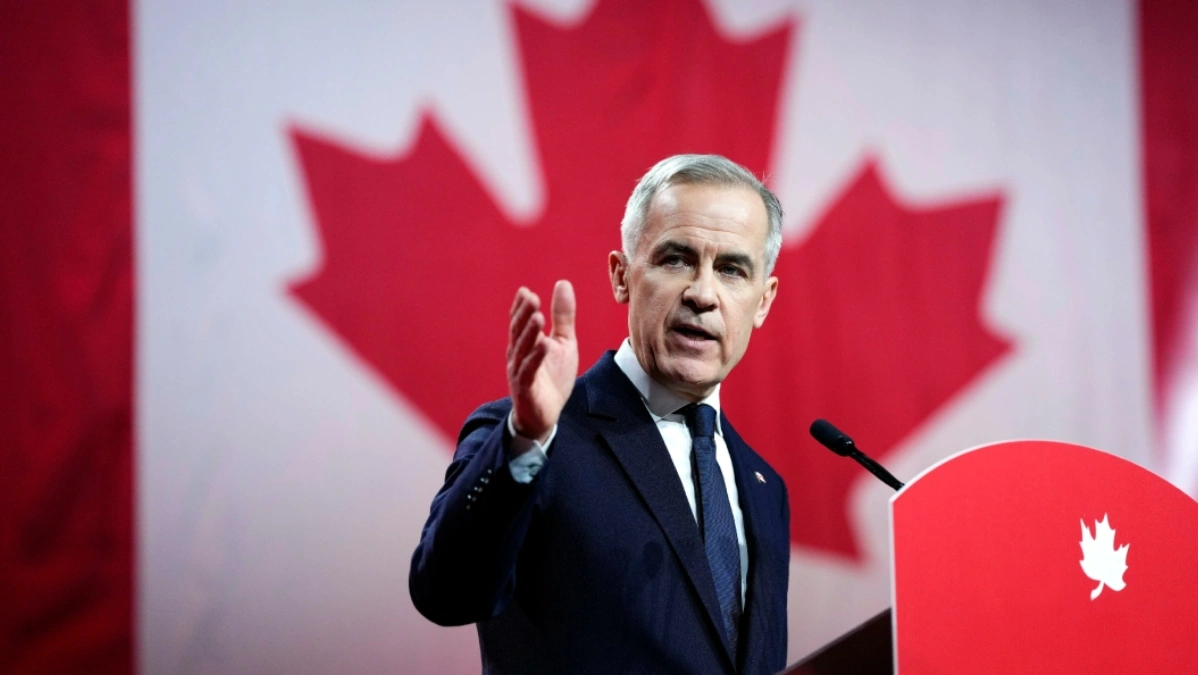
Canada’s 2025 Federal Budget: “Canada Strong” Brings Major Shifts
The federal government’s long-awaited Canada Budget 2025, presented by Prime Minister Mark Carney, introduces key tax changes aimed at balancing fiscal responsibility with middle-class relief. While the overall focus of the budget leans toward stability and economic growth, several unexpected tax reforms — including the elimination of certain levies and incentives — have captured national attention.
Let’s break down the five biggest tax changes Canadians need to know, plus one highly anticipated measure that didn’t make the final budget.
1. The New Top-Up Tax Credit: Fixing a Hidden Flaw
When the lowest federal tax bracket was reduced to 14.5 percent earlier this year, it inadvertently reduced the value of non-refundable tax credits that were linked to that rate.
The new Top-Up Tax Credit is designed to fix this. It ensures that taxpayers who claim large non-refundable credits — such as tuition fees, medical expenses, or disability-related costs — won’t lose out because of the rate reduction.
In essence, this credit will maintain the previous 15 percent rate for non-refundable credits that exceed the first income bracket threshold of $57,375. This adjustment is especially helpful for taxpayers with major one-time deductions or those supporting dependents.
2. Home Accessibility Tax Credit (HATC) and Medical Expense Tax Credit (METC): No More Double Claims
The HATC allows up to $20,000 in eligible home renovation expenses each year to improve accessibility for seniors or people with disabilities. The METC, meanwhile, covers medical and mobility-related renovation costs.
Until now, some taxpayers could claim the same expense under both credits, effectively doubling their benefit. The 2025 budget ends this overlap, stating that from 2026 onward, the same expense cannot be claimed twice.
Canadians planning accessibility renovations have until December 31, 2025, to make final claims under both credits before the rule change kicks in.
3. Canadian Entrepreneurs’ Incentive (CEI) Cancelled
Small business owners are disappointed as the Canadian Entrepreneurs’ Incentive — introduced in 2024 to reduce taxes on business sales — has been cancelled.
The CEI was meant to provide a further tax reduction on up to $2 million of capital gains, gradually phased in over four years. However, due to the government’s decision not to raise the capital gains inclusion rate, the CEI has been withdrawn.
This cancellation could influence how many small business owners plan their exit or succession strategies going forward.
4. Underused Housing Tax (UHT) Eliminated
The Underused Housing Tax, introduced in 2022, targeted vacant or underutilized properties owned mainly by non-residents. It imposed a 1 percent annual tax on property value.
The 2025 budget scraps this tax completely, meaning no filings or payments will be required for 2025 or beyond.
Real estate experts expect this move to boost housing market liquidity, particularly in urban centers like Toronto and Vancouver, where compliance burdens had been high.
5. Luxury Tax on Boats and Airplanes Repealed
Effective November 5, 2025, the Luxury Tax on boats and airplanes is repealed. Originally introduced in 2022, the tax applied to boats over $250,000 and aircraft over $100,000, adding up to 20 percent of the value above those thresholds.
While luxury vehicles remain taxed, the removal of this levy is intended to support Canada’s marine and aviation sectors, both of which had reported declining sales and layoffs due to the tax.
No Changes to RRIF Minimum Withdrawals
Many Canadian retirees had hoped for reduced RRIF (Registered Retirement Income Fund) withdrawal minimums. Unfortunately, that change did not make it into the 2025 budget.
The existing rules — requiring retirees to withdraw a set minimum annually — remain unchanged. Critics argue that these rules force retirees to pay taxes prematurely, especially when they don’t need the income.
The government has said it will review RRIF flexibility in future budgets, but for now, retirees must continue following the current withdrawal schedule.
What’s Missing: The Promise to “Protect Retirement Savings”
Before the election, the Liberal government had pledged to reduce RRIF withdrawals by 25 percent for one year to help seniors manage taxes more efficiently. However, this promise is absent from the current budget, suggesting it could resurface closer to the next election cycle.
The Bigger Picture
The 2025 federal budget focuses less on sweeping tax cuts and more on fine-tuning existing measures. The cancellation of certain taxes and credits signals a shift toward simplification and administrative ease, while targeted benefits like the Top-Up Tax Credit reflect an attempt to correct unintended policy consequences.
Economists note that the government’s “Canada Strong” plan aims to balance fiscal prudence with social equity — a fine line that will continue to shape Canada’s post-pandemic recovery.
Frequently Asked Questions (FAQs)
1. When do the new tax measures in Budget 2025 take effect?
Most changes, including the Top-Up Tax Credit and the cancellation of the Underused Housing Tax, take effect in 2025. However, the rule preventing double claims for home renovations begins in 2026.
2. Will homeowners still need to file Underused Housing Tax returns for 2024?
Yes. The 2024 tax year remains under current rules, meaning filings and payments for that year are still required. The elimination applies starting with the 2025 calendar year.
3. How does the cancellation of the Entrepreneurs’ Incentive affect small business sales?
Without the CEI, small business owners will rely on the existing Lifetime Capital Gains Exemption (LCGE), which remains at $1.25 million. The lost incentive could make succession planning more costly.
4. Are there any tax breaks for seniors in the new budget?
Aside from the indirect relief provided by the Top-Up Tax Credit, there are no new senior-specific tax cuts. The RRIF withdrawal rules remain unchanged, although advocacy groups continue to push for reform.